
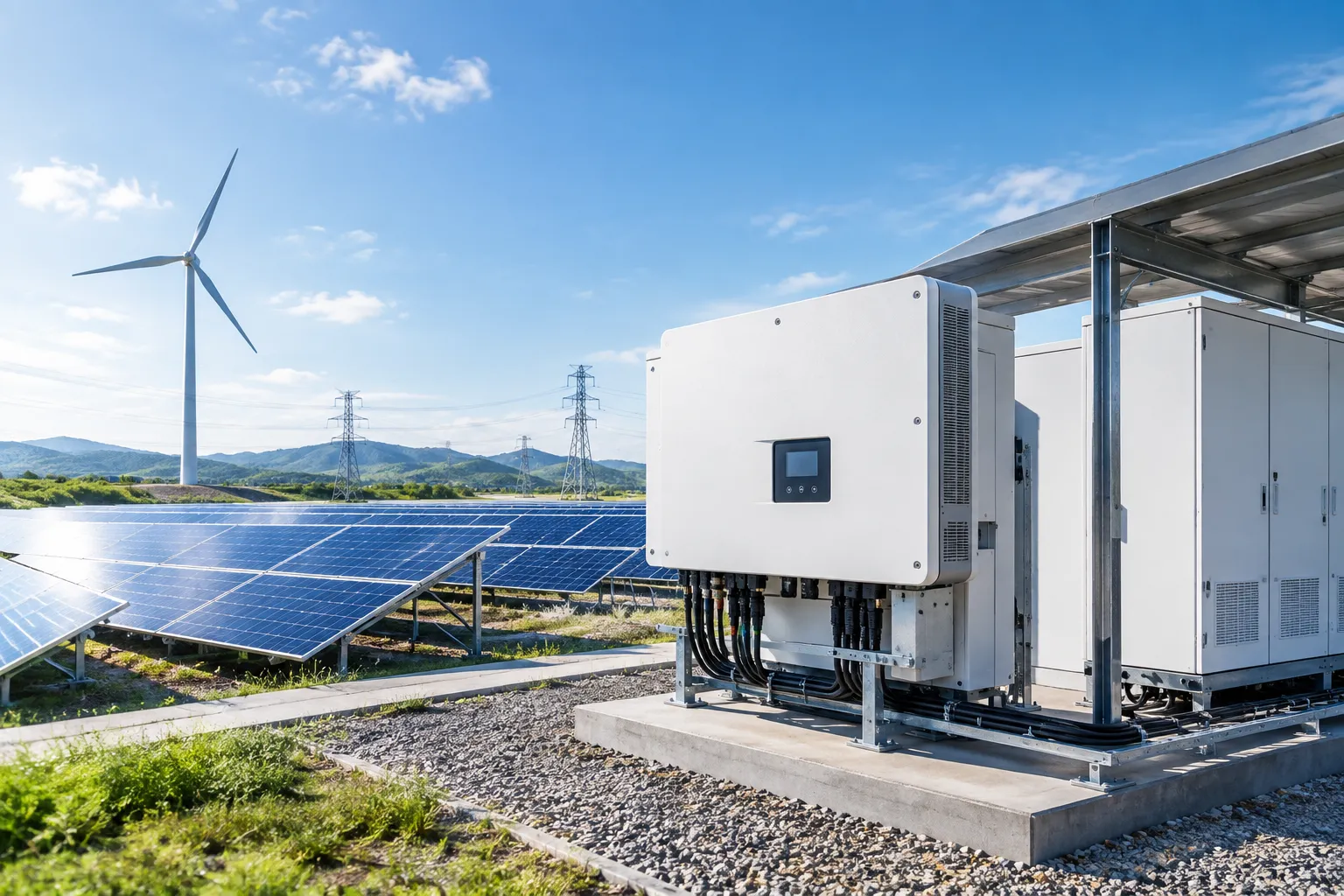
In the rapidly evolving landscape of distributed renewable energy, the photovoltaic (PV) module frequently commands the visual attention of a solar asset. However, raw direct current (DC) generated by silicon wafers is fundamentally unusable by modern commercial facilities or regional utility grids. The absolute core of any high-performance solar array—the engine that dictates thermodynamic efficiency, grid compliance, and financial Return on Investment (ROI)—is the Solar Inverter.
For Engineering, Procurement, and Construction (EPC) firms, selecting the optimal power conversion hardware is the most critical technical decision in system design. Treating the inverter as a commoditized afterthought introduces severe operational liabilities, ranging from catastrophic voltage clipping to premature thermal degradation. This B2B technical guide deconstructs the solid-state physics of DC-to-AC power conversion, the algorithmic intelligence of Maximum Power Point Tracking (MPPT), and the strategic deployment of advanced energy storage architectures.
1. The Solid-State Physics of DC-to-AC Conversion
At its most fundamental level, a Solar Inverter is a highly advanced power electronics bridge. Solar panels generate variable, high-voltage Direct Current (DC), where the electrical charge flows in a single, unidirectional path. Conversely, industrial machinery, HVAC systems, and the utility grid operate on Alternating Current (AC), where the flow of electrons rapidly reverses direction (typically 50 or 60 times per second, denoted as 50Hz or 60Hz).
Pulse-Width Modulation (PWM) and Pure Sine Waves
To execute this conversion, the inverter utilizes arrays of high-frequency solid-state switches, typically Insulated-Gate Bipolar Transistors (IGBTs) or Silicon Carbide (SiC) MOSFETs. By rapidly opening and closing these switches thousands of times per second—a process known as Pulse-Width Modulation (PWM)—the inverter chops the flat DC voltage into a stepped AC wave. Advanced microprocessor filters then smooth this stepped wave into a pristine, “pure sine wave.” For commercial facility managers, a pure sine wave is non-negotiable; injecting “modified” or distorted AC power into a facility will cause severe overheating and catastrophic failure in sensitive industrial induction motors and IT server infrastructure.
2. Maximizing Energy Yield: The MPPT Algorithm
A solar array does not produce a static amount of power; its output is a volatile, constantly shifting curve dictated by ambient temperature, atmospheric dust, and fluctuating solar irradiance. If an inverter attempts to draw a fixed voltage from the array, it will drastically underperform. To maximize the Levelized Cost of Energy (LCOE), EPCs must specify an advanced MPPT Solar Inverter.
Hunting the P-V Curve
MPPT (Maximum Power Point Tracking) is a highly sophisticated digital algorithm integrated into the inverter’s microprocessor. The algorithm continuously scans the Power-Voltage (P-V) curve of the solar array. As a cloud passes over the panels, or as the silicon heats up during solar noon (which lowers voltage), the MPPT Solar Inverter dynamically adjusts its internal electrical resistance. It mathematically “hunts” for the exact voltage and current sweet spot (the Maximum Power Point) that yields the highest total wattage at that specific millisecond.
Multi-MPPT Architectures for Complex Arrays
In modern commercial and industrial (C&I) deployments, rooftops are rarely perfectly flat or unshaded. They feature mechanical penthouses, varied roof pitches, and parapet walls. If a massive array is tied to a single MPPT channel, localized shading on just a few panels will drag down the entire array’s performance. Premium tier-one inverters utilize multi-MPPT architectures (featuring 4 to 12 independent channels). This allows system engineers to electronically isolate different roof zones; if one string is shaded by a cooling tower, the MPPT isolates that voltage drop, allowing the rest of the array to continue operating at absolute peak efficiency.
3. Smart Grid Compliance and Active Power Management
A commercial Solar Inverter does not operate in a vacuum; it is fundamentally tethered to the regional utility grid. As the global penetration of distributed solar increases, utility operators require these massive commercial assets to act as active grid-stabilizing nodes rather than passive power generators. Modern inverters must comply with stringent international interconnection standards (such as IEEE 1547 or UL 1741 SA).
Anti-Islanding and Low Voltage Ride Through (LVRT)
The most critical safety protocol programmed into any grid-tied inverter is “anti-islanding.” If the utility grid suffers a catastrophic blackout, the inverter must detect the loss of grid voltage and physically disconnect its AC output in milliseconds. This prevents the commercial array from back-feeding lethal electricity into the local power lines while utility crews are attempting repairs. However, during minor, temporary grid fluctuations (brownouts), advanced inverters utilize Low Voltage Ride Through (LVRT) protocols. Instead of immediately tripping offline—which could trigger a cascading regional blackout—the inverter intelligently stays online, injecting reactive current to support and stabilize the grid voltage until normal parameters return.
Reactive Power (VAR) Compensation
Heavy commercial facilities utilizing industrial motors and HVAC chillers frequently suffer from a poor “power factor,” resulting in steep reactive power (VAR) penalties from the utility company. A modern, smart Solar Inverter can act as a solid-state VAR compensator. Even at night, when the solar panels are dormant, the inverter can remain online, dynamically absorbing or injecting reactive power to perfectly correct the facility’s power factor, thereby eliminating utility penalties and generating a secondary vector of financial ROI.
4. Energy Storage Integration: The Hybrid Architecture
Historically, the commercial solar industry relied entirely on net-metering: exporting excess daytime solar production to the grid for retail credit. However, as utility companies globally pivot toward aggressive Time-of-Use (TOU) rates—where electricity is exponentially more expensive during evening peak hours—the pure grid-tied inverter architecture is becoming financially obsolete. To capture maximum yield, EPCs are rapidly transitioning to the Hybrid Solar Inverter.
Bidirectional Power Electronics
A standard inverter is unidirectional (DC to AC). A Hybrid Solar Inverter features highly complex, bidirectional power electronics. It simultaneously acts as the MPPT tracker for the rooftop solar array, the DC-to-AC inverter for the facility’s electrical loads, and a bidirectional DC-to-DC charge controller for a high-voltage Battery Energy Storage System (BESS).
DC-Coupled Efficiency and Peak Shaving
By specifying a hybrid architecture on day one, EPCs create a highly efficient “DC-coupled” system. The DC power generated by the solar panels is fed directly into the DC battery bank with zero conversion losses. During the evening, when utility TOU rates peak, the Hybrid Solar Inverter intelligently discharges the battery bank, completely offsetting the facility’s expensive evening grid consumption. This strategy, known as “peak shaving,” drastically lowers commercial demand charges. Furthermore, if the utility grid fails, the hybrid inverter instantly physically isolates the facility from the grid (via an automatic transfer switch) and forms a localized microgrid, providing seamless backup power to critical commercial infrastructure.
Comparative Matrix: Evaluating Inverter Topologies
To assist procurement directors in rapid value engineering, the following matrix contrasts the operational capabilities and capital requirements of the dominant solar inverter architectures.
| Engineering Metric | Standard Grid-Tied MPPT Solar Inverter | Advanced Hybrid Solar Inverter |
|---|---|---|
| Primary Energy Flow | Unidirectional (PV DC to Grid/Load AC). | Bidirectional (PV DC to Load AC & Battery DC). |
| Grid Outage Protocol | Mandatory anti-islanding shutdown. No backup power. | Isolates from grid; forms microgrid to supply backup power. |
| Initial Capital Expenditure (CAPEX) | Low. Highly cost-effective for pure net-metering markets. | Moderate to High. Requires advanced bidirectional components. |
| TOU Rate Optimization (Peak Shaving) | Poor. Only offsets load during peak sunlight hours. | Excellent. Stores cheap daytime energy for expensive evening use. |
5. Thermal Dynamics and Hardware Longevity
The solid-state conversion of massive DC loads into AC power generates immense thermal waste. If a Solar Inverter cannot effectively dissipate this heat, the internal microprocessor will initiate thermal derating—intentionally throttling power output to protect the sensitive silicon components (IGBTs) from catastrophic failure. This derating frequently occurs during peak solar noon on hot summer days, exactly when the facility requires maximum power to offset heavy air conditioning loads.
To ensure long-term hardware longevity, EPCs must carefully evaluate the thermal architecture. Premium tier-one inverters utilize massive, extruded aluminum heat sinks for passive convection cooling. By eliminating mechanical cooling fans (which ingest abrasive dust and represent a high-frequency failure point), passive cooling drastically reduces Operations and Maintenance (O&M) liabilities and guarantees stable, maximum power output even in extreme ambient environments.
Conclusion: The Intelligence of the Energy Asset
The Solar Inverter is the definitive brain of the modern renewable energy asset. Treating it merely as a commodity box on the wall inevitably leads to severe operational inefficiencies, catastrophic voltage clipping, and an inability to interface with advanced utility grid-support protocols. By specifying a tier-one MPPT Solar Inverter with multi-channel architecture, B2B procurement directors can actively mitigate complex roof shading and maximize the daily energy yield of the array.
Furthermore, as utility paradigms shift toward aggressive Time-of-Use pricing and grid instability increases, the strategic deployment of a bidirectional Hybrid Solar Inverter allows commercial facilities to transition from passive power generators to active energy managers. By integrating high-voltage battery storage, executing peak shaving, and ensuring seamless backup power during grid failures, the modern solar inverter secures total energy independence and maximizes the long-term financial ROI of the commercial facility.
Frequently Asked Questions (FAQ)
What is the typical lifespan of a commercial solar inverter?
While the solid-state silicon solar panels can produce power for 25 to 30 years, the Solar Inverter contains complex power electronics and microprocessors that manage intense heat and voltage. A standard tier-one commercial string inverter has an expected design lifespan of 12 to 15 years, meaning facility managers should underwrite the financial model anticipating at least one full inverter replacement over the lifecycle of the solar array. Specifying units with passive thermal cooling can help push the lifespan closer to the 15-year mark by eliminating mechanical fan failures.
Can I upgrade a standard MPPT solar inverter to a hybrid system later?
A standard grid-tied MPPT Solar Inverter cannot simply be reprogrammed or easily converted into a hybrid unit because it physically lacks the bidirectional power electronics required to charge and discharge a high-voltage battery bank. If a facility installs a standard inverter and later decides to add batteries, they must execute an “AC-coupled” retrofit, adding a separate battery inverter to the system. To avoid this costly redundancy, many EPCs now install “storage-ready” hybrid inverters on day one, even if the batteries will be deployed years later.
Why does my inverter “clip” or flatline its power output precisely at noon?
This is a calculated engineering strategy known as DC oversizing. EPCs typically install more DC solar panel capacity (e.g., 120kW) than the AC output rating of the Solar Inverter (e.g., 100kW). During peak solar noon under perfect conditions, the inverter hits its maximum capacity and “clips” the excess power. However, this high DC-to-AC ratio ensures the inverter wakes up earlier in the morning, stays on later in the evening, and operates at its absolute peak thermodynamic efficiency for a much wider window, ultimately generating more total daily kilowatt-hours (kWh) than a 1:1 matched system.