
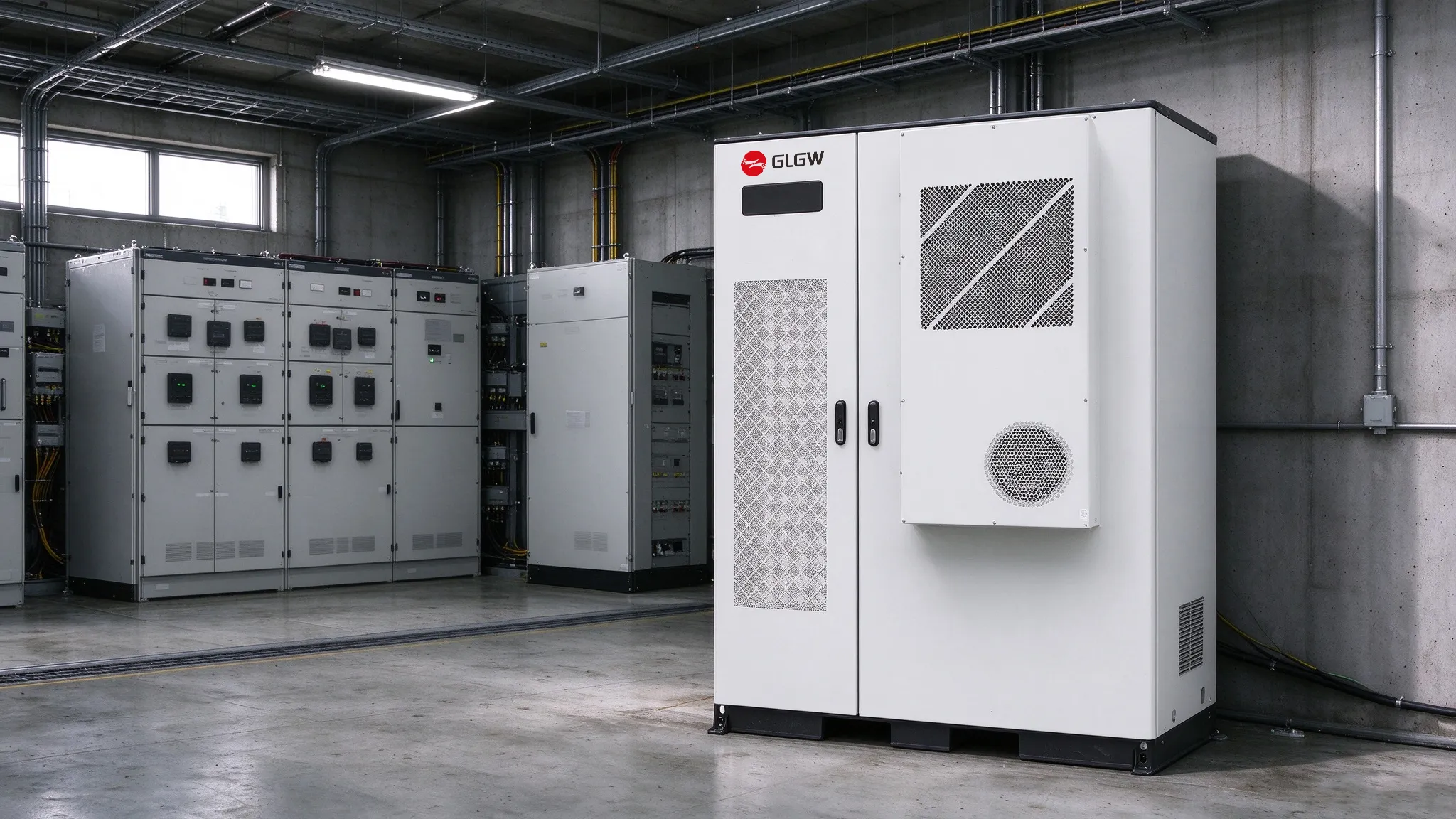
In the rigorous financial modeling of a commercial PV System, Engineering, Procurement, and Construction (EPC) firms frequently focus on the nameplate wattage of the solar panels and the historical irradiance data of the geographic location. However, this theoretical performance model often ignores a silent, invisible phenomenon that bleeds total kilowatt-hours (kWh) and erodes financial Return on Investment (ROI) during the most critical days of the year: thermal derating.
The Solar Inverter is the solid-state engine of the solar array, tasked with converting raw, volatile Direct Current (DC) into perfectly synchronized, grid-compliant Alternating Current (AC). This thermodynamic conversion is not perfectly efficient; it inevitably generates massive amounts of waste heat. If this thermal load is not managed effectively, the inverter will deliberately throttle its own power output to survive. This B2B technical guide deconstructs the physics of thermal derating, analyzes the vulnerabilities of competing cooling architectures, and outlines strategic design principles to safeguard commercial energy yield.
1. The Thermodynamics of Power Conversion
At its core, a commercial Solar Inverter relies on high-frequency switching components, typically Insulated-Gate Bipolar Transistors (IGBTs) or advanced Silicon Carbide (SiC) MOSFETs. These semiconductors rapidly chop the DC voltage thousands of times per second (Pulse-Width Modulation) to synthesize a pristine AC sine wave. While modern tier-one inverters boast conversion efficiencies exceeding 98%, the remaining 1% to 2% of energy is lost directly as thermal radiation.
The Heat Trap in High-Capacity PV Systems
In a massive 100kW or 250kW commercial string inverter, a 2% thermodynamic loss equates to thousands of watts of continuous heat generation—equivalent to operating multiple industrial space heaters inside a sealed, IP65-rated metal enclosure. During a peak summer afternoon, the extreme ambient outdoor environment drastically compounds this internal heat. If the temperature of the internal silicon components breaches a critical metallurgical threshold, they risk catastrophic, permanent failure due to thermal runaway.
2. What is Thermal Derating? The Self-Preservation Protocol
To prevent this catastrophic hardware destruction, the microprocessor inside the Solar Inverter initiates an automated self-preservation protocol known as thermal derating. When the internal thermistors detect that the heat sinks or IGBTs are approaching their maximum safe operating temperature (typically around 50°C to 60°C internal ambient), the inverter deliberately alters its algorithmic behavior.
Throttling the MPPT Curve
During derating, the inverter artificially shifts its operating parameters away from the absolute Maximum Power Point (MPP) of the PV System. By doing so, it forces the solar array to deliver less DC current. Less current passing through the internal semiconductors immediately reduces the thermal friction, allowing the inverter to cool down and survive. However, the operational cost is severe: the inverter artificially “clips” the production curve, resulting in the commercial facility losing massive amounts of harvestable solar energy exactly when the sun is shining its brightest.
The Financial Penalty of Peak Demand Loss
Thermal derating is particularly devastating for Commercial and Industrial (C&I) facilities. Derating almost exclusively occurs on hot, sunny summer afternoons. This is precisely the time when the facility’s HVAC cooling loads are at their absolute maximum, triggering aggressive “peak demand” utility charges. If the Solar Inverter throttles its output during this critical window, the facility is forced to purchase expensive, peak-rate electricity from the utility grid, destroying the PV System‘s ability to execute effective peak shaving.
3. Evaluating Inverter Cooling Architectures: Active vs. Passive
To combat internal heat accumulation and stave off thermal derating, manufacturers rely on two fundamentally different thermodynamic cooling architectures: Active (Forced Air) and Passive (Natural Convection). Understanding the physical limitations of these architectures is critical for EPCs procuring a Solar Inverter for a high-temperature PV System deployment.
Active Cooling (Forced Air)
Active cooling relies on internal and external mechanical fans to rapidly force ambient air across the internal heat sinks. While this allows manufacturers to design smaller, lighter, and often cheaper inverters, it introduces a severe mechanical vulnerability. Fans are moving parts that act as a vacuum for abrasive environmental particulates, drawing dust, pollen, and corrosive salt air directly into the cooling channels. Over time, these fans inevitably degrade, clog, or fail completely. When a fan fails in a forced-air inverter, the unit will almost immediately enter severe thermal derating, crippling the PV System‘s output until an O&M crew replaces the mechanical components.
Passive Cooling (Natural Convection)
Premium tier-one commercial inverters utilize passive cooling architectures. These units eschew mechanical fans entirely, relying instead on massive, precision-engineered extruded aluminum heat sinks. The thermodynamics operate purely on natural convection: as the heat sink absorbs internal thermal energy, the air around it heats up, rises, and pulls cooler ambient air across the fins. Because there are absolutely zero moving parts to wear out or ingest dust, a passively cooled Solar Inverter boasts exceptional long-term reliability and drastically lower O&M liabilities. Furthermore, advanced passive designs can often maintain full nameplate power output (zero derating) in ambient temperatures exceeding 50°C (122°F).
4. Strategic Design to Mitigate Thermal Derating
Beyond specifying the correct hardware, EPC engineers must deploy strategic design practices to protect the Solar Inverter from extreme environmental heat and ensure the PV System hits its projected financial targets.
Optimizing the DC-to-AC Ratio in Extreme Climates
It is standard industry practice to oversize the DC solar panel array relative to the AC inverter capacity (e.g., a 1.2 or 1.3 DC/AC ratio) to maximize early morning and late evening production. However, in geographic regions with extreme summer heat, aggressive oversizing forces the inverter to process maximum DC current for longer sustained periods during the hottest part of the day, acting as a catalyst for severe thermal derating. EPCs must use advanced PV modeling software to carefully balance the DC/AC ratio, ensuring the thermal load does not overwhelm the inverter’s cooling capacity during peak irradiance.
Physical Siting and Canopy Shading
The physical mounting location of the inverter is equally critical. Mounting a dark grey metal enclosure directly on a highly reflective, white commercial TPO roof exposed to direct afternoon sun guarantees massive internal heat gain before the inverter even begins processing power. Smart EPCs mandate that commercial string inverters are mounted on north-facing parapet walls (in the Northern Hemisphere) or installed beneath dedicated, ventilated shade canopies. Blocking direct solar radiation from striking the chassis can easily lower the inverter’s internal ambient temperature by 10°C to 15°C, significantly delaying the onset of thermal derating.
Comparative Matrix: Active vs. Passive Cooling
To assist procurement directors in evaluating hardware reliability, the following matrix contrasts the operational dynamics of inverter cooling topologies.
| Cooling Architecture | Thermodynamic Mechanism | O&M Liability & Reliability | Derating Threshold (Typical) |
|---|---|---|---|
| Active Cooling (Forced Air) | Mechanical fans force air across internal heat sinks. | High. Fans ingest dust, require frequent cleaning, and fail over time. | Moderate. Derating often begins at 40°C to 45°C ambient. |
| Passive Cooling (Convection) | Massive external aluminum heat sinks utilize natural air flow. | Extremely Low. Zero moving parts; highly resistant to dust and salt air. | Excellent. Maintains full power output up to 50°C+ ambient. |
| Hybrid / Liquid Cooling | Pumped dielectric fluid (mostly utility-scale central units). | Moderate to High. Requires pump maintenance and fluid checks. | Superior. Designed for extreme utility-scale desert environments. |
5. Digital Telemetry and O&M Visibility
In modern commercial deployments, protecting the PV System from thermal degradation relies heavily on cloud-based digitalization. Tier-one Solar Inverter platforms continuously stream highly granular telemetry data—often down to five-minute intervals—to centralized Operations and Maintenance (O&M) portals. By monitoring the exact internal ambient temperature of the IGBTs and the RPM data of cooling fans (in active systems), AI-driven algorithms can detect thermal anomalies long before severe derating occurs.
If a specific inverter consistently registers an internal temperature 5°C hotter than its identical neighbors on the same commercial roof, it indicates a localized issue. O&M teams can dispatch technicians to clear accumulated leaves blocking the passive heat sink or to replace a failing mechanical fan, proactively securing the facility’s daily energy yield and preventing long-term metallurgical stress on the semiconductor switches.
Conclusion: Safeguarding Commercial Energy Yield
Thermal derating is a silent thief of commercial solar profitability. When a Solar Inverter is forced to throttle its output to survive intense environmental heat, the entire PV System suffers a massive drop in thermodynamic efficiency—often at the exact moment when the commercial facility is battling its highest HVAC loads and facing punitive peak demand utility charges.
For B2B procurement directors and EPC engineers, mitigating this risk requires treating the inverter not merely as a commoditized electrical bridge, but as a highly sensitive thermodynamic engine. By specifying passively cooled tier-one architectures that eliminate failure-prone mechanical fans, optimizing the DC-to-AC ratio through rigorous software modeling, and strictly enforcing shaded, well-ventilated mounting locations, developers can ensure their commercial solar asset operates at absolute peak performance. This proactive engineering approach guarantees the system delivers its projected Levelized Cost of Energy (LCOE) and secures the long-term financial ROI, regardless of the extreme summer heat.
Frequently Asked Questions (FAQ)
What exactly happens inside the inverter during thermal derating?
When the internal thermistors detect that the power electronics are approaching a critical, destructive temperature, the microprocessor inside the Solar Inverter alters its Maximum Power Point Tracking (MPPT) algorithm. It intentionally shifts the operating voltage away from the optimal point on the solar array’s P-V curve, forcing the panels to deliver less direct current (DC). By reducing the current flowing through the internal semiconductors, the inverter creates less thermal friction, allowing it to cool down and protect its hardware, but at the direct cost of lost AC energy production.
How does the DC/AC ratio (oversizing) affect inverter operating temperatures?
EPCs frequently oversize the DC capacity of a PV System (e.g., installing 120kW of panels for a 100kW inverter) to maximize production during early mornings and late afternoons. However, a high DC/AC ratio means the inverter will reach its maximum processing capacity earlier in the day and stay there longer. Operating at 100% capacity for extended, continuous hours generates massive, sustained thermal loads. In hot climates, aggressive oversizing essentially guarantees that the inverter will hit its thermal limits and suffer from severe afternoon derating.
Why is passive cooling considered superior to active fan cooling in commercial solar?
Active cooling uses mechanical fans to blow air over internal heat sinks. While this allows for smaller inverter enclosures, mechanical fans act as vacuums, sucking in abrasive dirt, sand, and corrosive moisture. Over time, fans degrade, clog, and inevitably fail, leading to immediate and severe thermal derating. A passively cooled Solar Inverter eliminates mechanical fans entirely, relying on massive external extruded aluminum heat sinks and natural convection. Because there are zero moving parts and the internal electronics remain completely sealed (IP65 or NEMA 4X), passive cooling drastically lowers long-term Operations and Maintenance (O&M) costs and provides vastly superior reliability in harsh commercial environments.